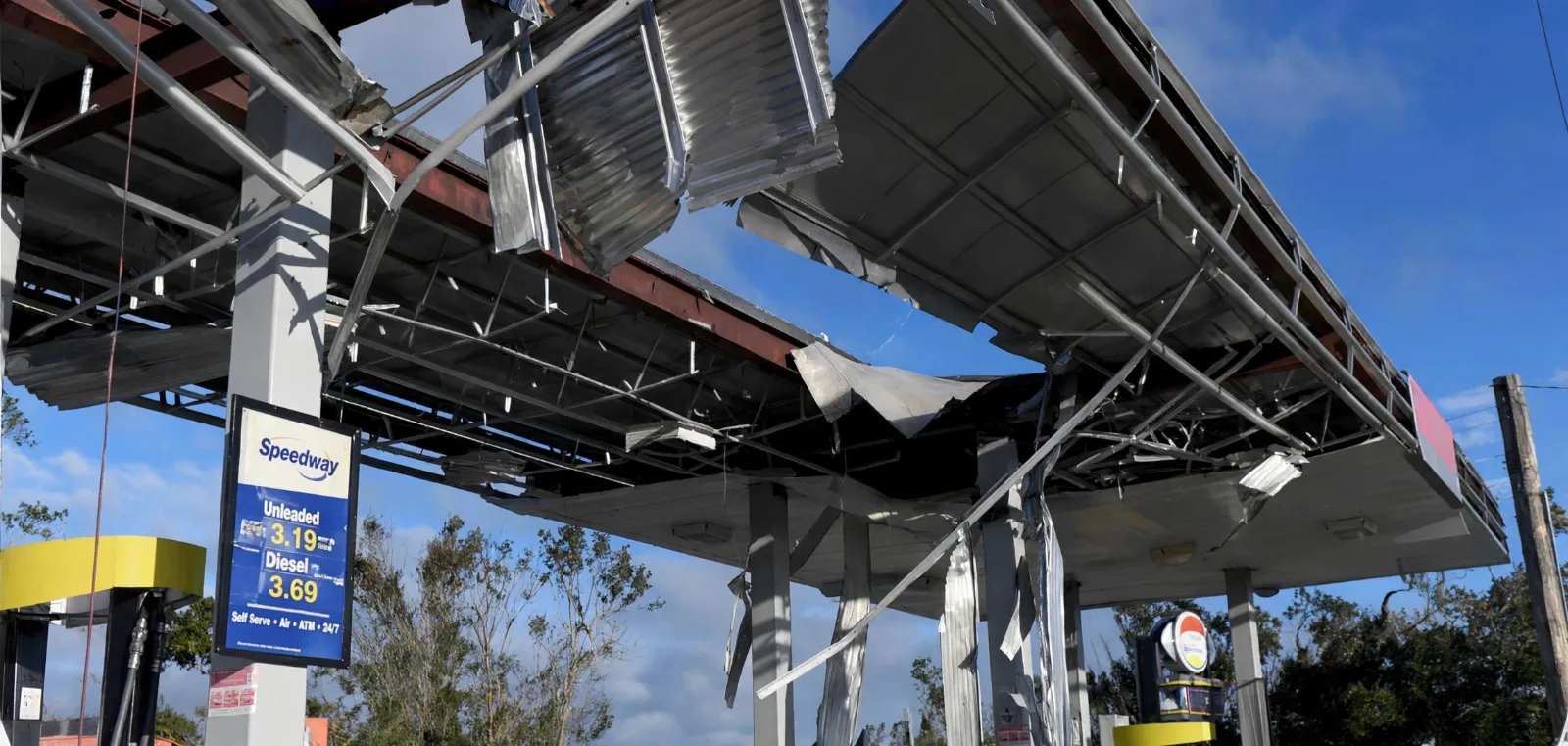
Hurricane Isaias made landfall near Destin on Friday night as a Category 2 hurricane with 105 mph winds, after peaking at Category 3 that morning. It is now a post-tropical cyclone pushing through Georgia, Alabama, and the Carolinas — but the work for Florida homeowners is just beginning.
More than 800,000 customers are without power across the Southeast. Peak wind gusts hit 117 mph near Oriole Beach and 102 mph in Pensacola. Rainfall topped 12 inches in parts of the Panhandle — on ground that was already soaked. At least two deaths have been reported, both from trees falling on homes.
The storm has passed. Here's what to do now.
Safety comes first
- Stay clear of downed power lines. Treat every downed wire as live. Report them to your utility — don't try to move them.
- Give road crews room. National Guard and public works crews are clearing roads across the Panhandle. Stay home if you can; if you must drive, slow down and move over.
- Watch the trees. Heavy rain on saturated soil loosens tree roots. Gusty conditions can keep toppling trees for days after the storm — keep an eye on leaning trees near your home.
- Conserve water if asked. Destin is asking residents to conserve water until power is restored, to minimize sewer backups.
Document everything — before you touch anything
This is the most important step, and the clock is on it.
- Photograph and film every room, inside and out. Roof, ceilings, walls, under sinks, water heater, electrical panel. Say the date out loud as you film.
- Photograph the outside too. Roof lines, gutters, soffits, fences, sheds, landscaping. Walk the full perimeter.
- Keep damaged materials. Don't throw away torn shingles, broken flashing, or damaged siding yet — they may need to be seen.
- Save every receipt. Tarps, emergency repairs, cleanup supplies, temporary lodging. Keep them all in one place.
- Write down what happened, when. A short timeline of what you saw and when you saw it helps later.
Check your home, top to bottom
High winds can damage a home with no visible signs. Walk through this checklist once it's safe:
- Roof: Look for lifted, missing, or creased shingles, loose flashing around vents and chimneys, and debris impacts. Binoculars from the ground beat a risky climb.
- Water intrusion: Check ceilings for new stains, walls for bubbling paint, and attics for damp insulation or daylight through the roof deck.
- Openings: Inspect windows and doors for cracked seals, bent frames, or water lines. Garage doors take a beating in high wind — check the tracks and panels.
- Gutters and drainage: Clear storm debris so the next rain moves away from the house, not into it.
- Electrical: If water got near outlets, panels, or wiring, leave it to a professional. Don't flip breakers on wet equipment.
Getting repairs done right
After a storm, honest contractors and bad actors both show up. Protect yourself:
- Get multiple written estimates with the full scope and price spelled out.
- Never pay in full upfront. A deposit is normal; the balance comes when the work is done right.
- Verify licensing and insurance yourself — don't take anyone's word for it.
- Be wary of door-knockers promising fast, cheap repairs. The good crews are busy; the desperate ones are at your door.
- Get an inspection from a reviewed local contractor before small damage becomes a big repair. What looks fine today can become a leak next month.
The bottom line
The storm lasted hours. The recovery takes weeks. Slow down, document first, and don't let urgency push you into bad decisions — on repairs or anything else.
Florida Safe Home is a private company connecting homeowners with reviewed Florida contractors. Not insurance or legal advice. For the latest official updates, follow the National Hurricane Center and your local officials.