
Plumbing for Florida Homeowners
Plumbing is the system a household depends on every day and sees the least. When something goes wrong — a leak, a failing water heater, a slow drain — the questions arrive quickly: repair or replace, who is qualified to do the work, and what should it involve. This guide explains how residential plumbing systems work, which projects Florida homeowners commonly face and how to evaluate a plumbing contractor.
Get Matched With a Plumbing ContractorFree for homeowners.
Published and reviewed by Florida Safe HomeLast reviewed
How Residential Plumbing Systems Work
A home's plumbing is really two systems working in opposite directions, plus the fixtures where you interact with them. Understanding the basic layout makes it much easier to describe a problem and to follow what a contractor is proposing.
- Supply side — pressurized lines that deliver hot and cold water from the meter or well to every fixture, with shutoff valves along the way.
- Drain, waste and vent side — gravity-fed piping that carries wastewater out to the sewer or septic system, with vent lines that keep traps working and odors out.
- Fixtures and appliances — faucets, toilets, sinks, tubs, showers, dishwashers, washing machines and the water heater.
- Shutoff valves — individual stops at fixtures and the main shutoff that can turn off water to the whole home.
When homeowners compare proposals later, this matters: the same visible symptom can originate on either side of the system, and two contractors can diagnose it differently. A clear explanation of where the problem actually lives is worth asking for.
Common Plumbing Problems in Florida Homes
Most plumbing service calls involve a familiar set of issues. Many are repairs rather than replacements, and a trustworthy contractor will say so when a repair is the sensible path. Homeowners commonly encounter:
- Leaks at fixtures, supply lines, valves or pipe joints.
- Running or intermittently refilling toilets.
- Dripping faucets and worn cartridges or washers.
- Slow or recurring drain clogs in sinks, tubs and showers.
- Water heaters that stop producing hot water, produce less of it, or begin to leak.
- Low or inconsistent water pressure at one fixture or throughout the home.
- Disposals, dishwashers and washing machine connections that leak or back up.
- Sewer or drain-line symptoms such as multiple slow fixtures, gurgling or odors.
Not every problem is urgent, and not every problem is small. The sections below cover how to think about the ones that most often turn into larger projects.
Leaks and Water Damage
Water is patient. A small leak inside a wall, under a slab or beneath a cabinet can run for a long time before it announces itself, and the damage it leaves behind — swollen cabinetry, stained drywall, mold-friendly conditions — is often more expensive than the plumbing repair itself.
Signs worth investigating promptly include:
- Unexplained increases in the water bill.
- Stains, bubbling paint or soft spots on walls, ceilings or floors.
- Musty odors that persist in one area.
- The sound of running water when nothing is on.
- Warm or damp spots on flooring, which can indicate a leak below the slab.
- A water meter that moves when every fixture and appliance is off.
If you suspect an active leak, knowing where the home's main shutoff is — and confirming it actually works — is one of the most useful things a homeowner can do before a plumber ever arrives.
Pipe Repair, Replacement and Whole-Home Repiping
When a pipe fails, the first question is whether the failure is local or a symptom of the piping as a whole. A single accessible leak in otherwise sound piping is a different project from recurring pinhole leaks across an aging system.
Factors a plumber weighs when recommending spot repair versus broader work:
- The pipe material, its condition and its history of failures in the home.
- How many leaks or failures have occurred, and over what period.
- Whether the affected sections are accessible or concealed in walls, ceilings or slab.
- Water quality and pressure conditions that may be contributing to the failures.
- The homeowner's plans — a long-term home changes how repeated repairs pencil out.
There is no universal age or material at which repiping becomes mandatory. It is a judgment call that should be based on the condition of your specific system, and it is reasonable to ask a contractor to show you the evidence behind a repipe recommendation — and to get more than one opinion on a project of that size.
Water Heaters: Repair or Replace
Water heater problems range from a failed heating element or thermostat — often repairable — to a leaking tank, which is not. As with any equipment, age and condition matter together rather than separately, and there is no single age at which replacement is required.
Conventional tank water heaters
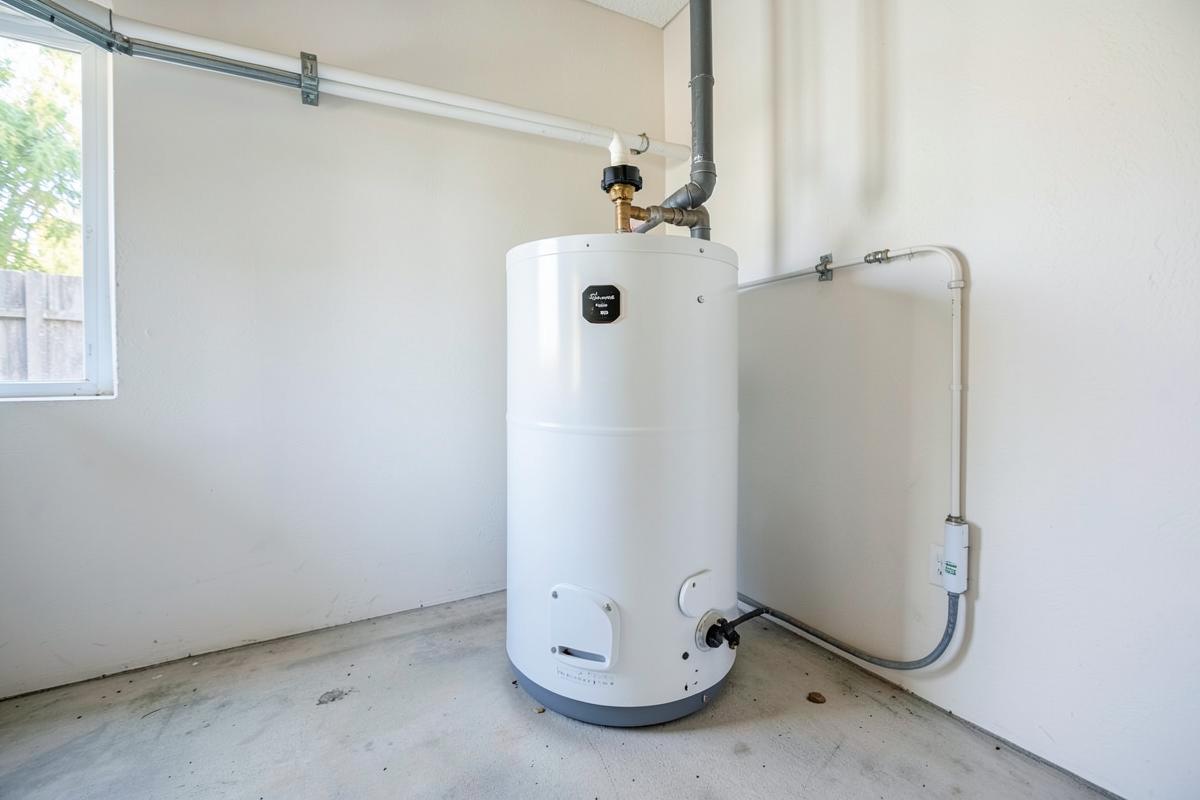
The familiar cylinder in a garage, closet or utility area, holding heated water ready for use. When one fails, replacement is usually straightforward, but the installation still involves water connections, a fuel or electrical source, and in many cases code-related details such as shutoff valves, expansion considerations, drainage and strapping that vary by jurisdiction and by home.
Tankless water heaters
Tankless units heat water on demand rather than storing it. They can suit some homes well, but they are not a universal upgrade: gas-fired units may require gas-line and venting work, electric units can have significant electrical demands, and whether the existing home infrastructure supports either is part of the evaluation. A contractor should explain what your specific home would need, not just quote the unit.
Whichever direction you consider, ask what the full installation includes — removal of the old unit, any code-required updates, permits where applicable, and warranty terms for both the equipment and the labor.
Fixtures, Faucets, Toilets, Sinks and Drains
Fixture work is the most visible category of residential plumbing — replacing a faucet, resetting or replacing a toilet, swapping a sink or vanity, clearing or rebuilding a drain. These projects range from simple like-for-like swaps to work that touches supply stops, drain configuration or flooring.
- Confirm whether shutoff valves and supply lines are being replaced along with the fixture — older stops sometimes fail precisely when disturbed.
- Ask whether the quote is for a like-for-like swap or includes changes to the drain or supply configuration.
- For toilets, ask whether the wax seal, flange condition and any rocking or leakage at the base will be addressed.
- Clarify who supplies the fixture, and whether owner-supplied fixtures affect the labor warranty.
Sewer and Drain-Line Issues
A single slow sink is usually a local clog. When several fixtures drain slowly at once, when toilets gurgle as other fixtures run, or when a floor drain backs up, the question moves to the main drain or sewer line — and the range of possible causes widens considerably.
A camera inspection is the common diagnostic for recurring or whole-home drain symptoms: it lets the contractor see whether the line is obstructed, damaged, invaded by roots or holding a belly, rather than guessing. Ask whether the inspection is documented and whether you receive the findings.
Repair approaches vary widely with what the camera finds — from cleaning and localized repair to replacement of a section or run. Because the expensive versions of this project are disruptive and sometimes urgent, this is a category where a second opinion on a major recommendation is money well spent.
Supply Lines, Shutoff Valves and Water Pressure
Two practical pieces of knowledge serve every homeowner: where the main shutoff is, and whether the shutoffs at individual fixtures still operate. Valves that have never been exercised can seize, and discovering that during an active leak is the worst possible time.
Water pressure that is too low, too high or inconsistent can have several causes — at the fixture, in the home's piping, at a pressure-reducing valve, or at the supply itself. Rather than applying a number you have read, have a plumber measure and diagnose the pressure in your home, because the right remedy depends entirely on where the cause sits. Some properties also have backflow-prevention requirements that depend on the local utility and how the property is equipped; your water provider or plumber can confirm what applies to your address.
Plumbing During Kitchen and Bathroom Remodeling
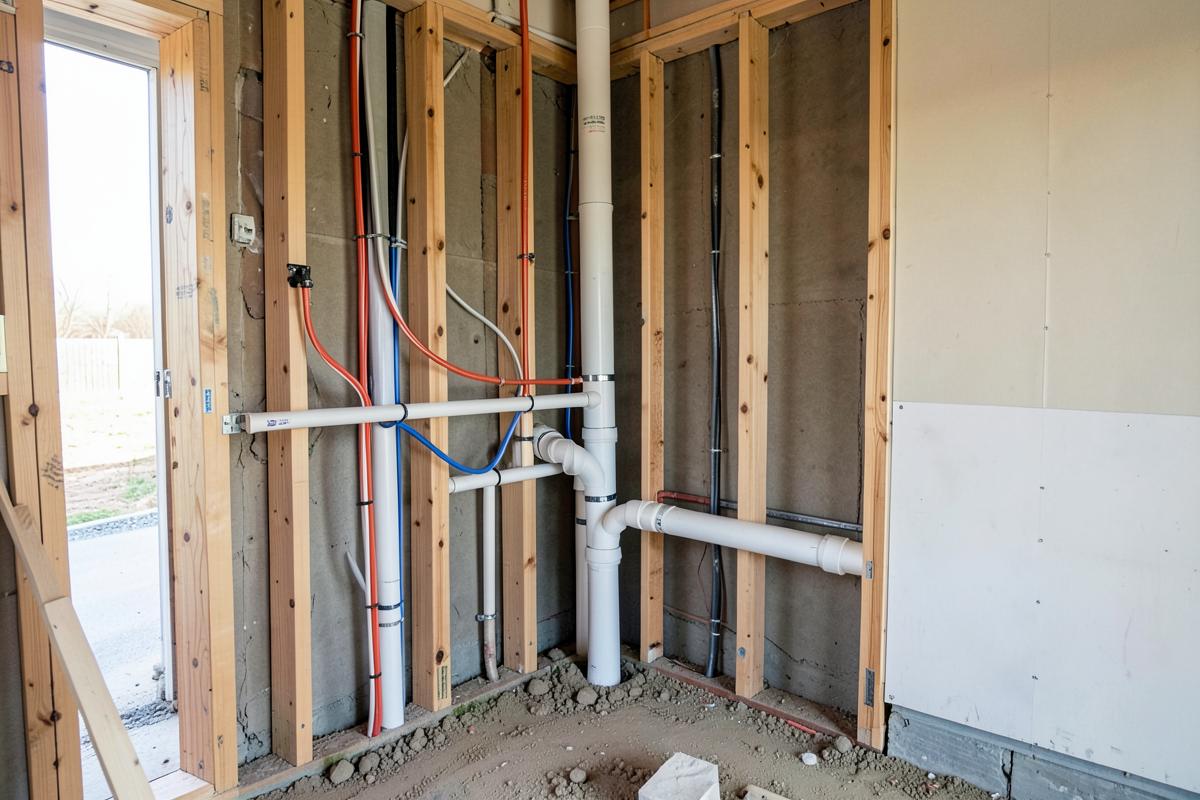
Remodeling is where plumbing scope most often surprises homeowners. Keeping every fixture exactly where it is — sink, toilet, tub, shower — is a fundamentally different plumbing project from moving any of them, because moving fixtures means opening surfaces and reworking supply and drain rough-in behind the walls and under the floor.
- Rough-in — the supply and drain piping placed before walls and floors are closed.
- Fixture setting — the visible work near the end: faucets, toilets, sinks, trim.
- Hidden conditions — prior unpermitted work, corroded piping or damaged subfloor that only becomes visible once things are opened.
Bathroom work in particular concentrates water, plumbing and finishes in a small space. Our guide to home remodeling in Florida covers how these scopes are planned and priced, and our guide to accessibility home improvements covers bathroom modifications such as curbless showers and grab bars for homeowners planning around mobility.
Permits, Inspections and Code
Some plumbing work in Florida requires a permit and one or more inspections, and some does not. Which category a project falls into depends on the scope of the work and on the city or county with jurisdiction — the reliable answer for your project comes from your local building department or from the contractor performing the work.
Regulated plumbing work is governed by the Florida Building Code and related state requirements, administered and interpreted locally. We intentionally do not restate specific code provisions here, because they are updated over time and applied differently depending on the project.
- Confirm in writing who is responsible for obtaining any required permits and scheduling inspections.
- Ask whether the proposed scope is expected to require inspection, and at what stage.
- Keep permit and inspection documentation with your home records; it can matter later for insurance, warranty or resale.
- Be cautious of any suggestion to skip permitting on work that normally requires it.
Licensing and Related Trades
Florida plumbing contractors may be licensed or registered depending on the scope of work and jurisdiction. Homeowners should verify the contractor's current license status through the Florida DBPR before signing. Not every plumbing company performs every scope — some focus on service and repair, others on repiping, remodel rough-in, sewer work or new construction.
A plumbing project can also touch adjacent trades. Gas-line work associated with a water heater or appliance, and electrical work connected to equipment, carry their own requirements and may involve additional licensed contractors. Ask directly who will perform each part of the scope.
- Verify the contractor's license status and insurance yourself before signing.
- Ask which portions of the work are performed by employees and which by subcontractors.
- Ask how any gas or electrical work in the scope will be handled and by whom.
- Get the full scope in writing rather than relying on a verbal description.
Questions to Ask a Plumber
The goal is not to test the contractor — it is to make sure you and they are describing the same project before anyone signs anything.
- What did you find, and can you show me — photos, camera footage or the failed part itself?
- Is this a repair or a replacement recommendation, and why?
- What exactly does the written scope cover — and what is explicitly excluded?
- Who pulls any required permit, and what inspections do you expect on this scope?
- Are shutoff valves, supply lines or code-related updates included in this price?
- Who performs the work — employees or subcontractors — and how are any gas or electrical portions handled?
- What are the warranty terms on the parts or equipment and on the labor, separately?
- What is the expected timeline, and will the water be off during the work?
- What is the payment schedule?
- If the work reveals additional problems behind walls or under floors, how is that documented and priced before it proceeds?
Preparing for a Plumbing Estimate
A plumber can give you a more useful proposal when they can see the whole picture. A little preparation helps:
- Clear access to the area involved — under sinks, around the water heater, at the main shutoff and cleanouts.
- Write down the symptoms and when they happen: which fixtures, what time, what triggers them.
- Gather any records of past plumbing repairs or work on the home.
- Note the age of the water heater and the home's piping if you know them.
- Take photos of anything intermittent — a stain that dries out is still evidence.
- Have someone home who can answer questions and walk the property with the contractor.
- Write down your own priorities: stopping a leak, reliability, planned remodeling, budget or timing.
Comparing Plumbing Proposals
Comparing headline prices alone is the most common way homeowners end up disappointed. Compare complete scopes instead — the same symptom can produce two proposals built on different diagnoses and very different work.
- The diagnosis each proposal is based on, and the evidence behind it.
- Whether the proposal is a repair or a replacement, and why.
- Materials and methods proposed — pipe, fittings, fixtures and valve replacements included.
- Permitting and inspection handling.
- Who performs the work, including any subcontracted trades.
- Restoration — what happens to walls, floors or landscaping opened during the work.
- Warranty terms — parts or equipment and labor stated separately.
- Timeline, payment schedule and how change orders are handled.
- What each proposal excludes, which is often the most revealing part.
If one proposal is much lower, the useful question is not whether it is too good to be true, but what specifically it contains that the others do not — or leaves out.
Planning Your Plumbing Project
Small plumbing projects are often same-day work, but planning still pays off — especially on anything that opens walls, replaces a water heater or takes fixtures out of service.
- Water shutoffs — ask how long the water will be off and plan around household schedules.
- Access — clear the path to the work area, and ask how floors and finishes will be protected.
- Occupied home — if a bathroom will be out of service, plan around it before work starts.
- Hidden conditions — agree in advance on how discoveries behind walls or under floors are handled and priced.
- Closeout — ask the contractor to demonstrate that repairs hold and fixtures operate before they leave.
- Documentation — keep the invoice, warranty information and any permit or inspection records together with your home file.
Florida Safe Home is an independent homeowner-to-contractor matching platform. We do not perform, repair or install plumbing, and we do not hold a plumbing contractor license. Information on this page is general education, not code, legal or engineering advice, and requirements vary by project and jurisdiction.
Questions Florida Homeowners Ask
Should I repair or replace a leaking pipe?
It depends on whether the failure is local or a symptom of the piping overall. A single accessible leak in otherwise sound piping is usually a repair. Recurring failures across an aging system raise the repiping question. Ask the plumber to show you the evidence behind their recommendation, and consider a second opinion on larger projects.
Do I need a permit for plumbing work in Florida?
Some plumbing work requires a permit and inspection and some does not — it depends on the scope and on the city or county with jurisdiction. Confirm with your local building department or the contractor, and get in writing who is responsible for pulling any required permit.
Repair or replace a water heater?
A failed element or thermostat on a sound tank is often repairable; a leaking tank is not. Age and condition matter together, and there is no universal replacement age. Ask what the full installation includes — removal, code-related updates, permits where applicable and separate equipment and labor warranties.
Is a tankless water heater worth it?
It depends on the home. Tankless units heat water on demand, but gas models may require gas-line and venting work and electric models can have significant electrical demands. A contractor should evaluate what your specific home would need rather than simply quoting the unit.
How do I verify a plumber's license in Florida?
Look up the contractor's current license status through the Florida DBPR licensee search before signing, and ask for proof of insurance. Not every company performs every plumbing scope, so confirm they handle your type of project.
Does Florida Safe Home perform plumbing work?
No. Florida Safe Home is a matching platform that connects Florida homeowners with contractors. The contractor you hire performs the work and holds the license for it. Our service is free for homeowners.
Official sources
The official references used when reviewing this page. Requirements change, so check the source directly for the current details.
- Florida DBPR license verification
Search the state licensing record for a contractor before you hire.
- U.S. Department of Energy — water heating
Federal information on residential water heater types and efficiency considerations.
Planning a Plumbing Project?
Tell us about your project and we will work to connect you with contractors in your area so you can compare options and decide for yourself.
Get Matched With a Plumbing ContractorFree for homeowners. No obligation.